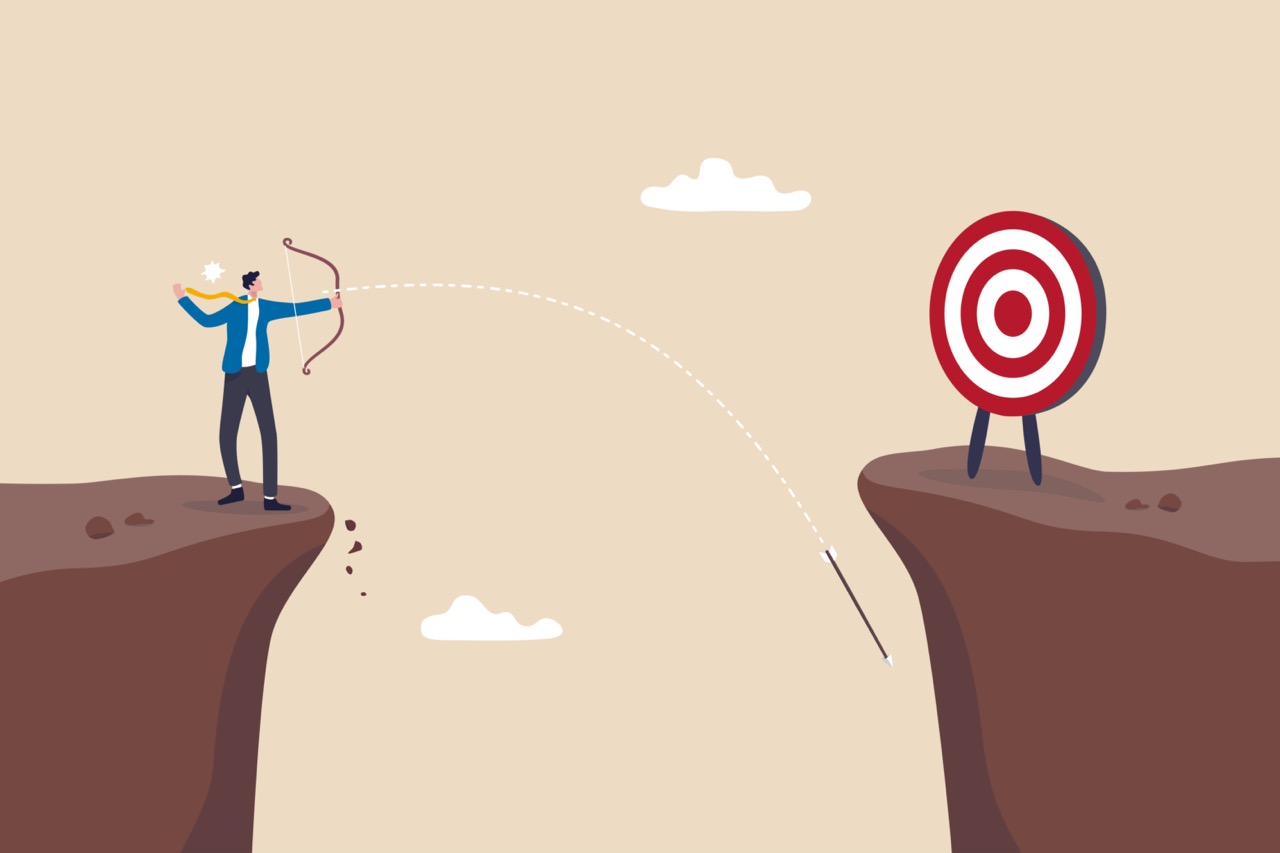
Introduction: The Hard Truth Most Businesses Ignore
Let’s be direct.
Most business websites don’t fail because of poor design.
They fail because they were never built to convert in the first place.
They look good.
They have content.
They exist online.
But they don’t generate leads, enquiries, or revenue.
And that’s the real failure.
In 2026, a website that doesn’t convert is not just underperforming—it’s costing your business money every single day.
The Conversion Problem: Visibility Without Results
Businesses invest heavily in:
- SEO
- Paid ads
- Social media
They drive traffic to their website.
But then what happens?
- Users land on the site
- Spend a few seconds
- Leave without action
This is where 90% of websites fail.
Not at the traffic stage—but at the conversion stage.
Why 90% of Websites Fail to Convert
This isn’t a guess. It’s a pattern seen across industries.
1. No Clear Value Proposition
When users land on your website, they should instantly understand:
- What you offer
- Who it is for
- What outcome they get
Most websites fail here.
They use generic statements like:
- “We provide innovative solutions”
- “We are industry leaders”
This creates confusion, not clarity.
2. They Focus on Information, Not Decision-Making
Most websites are built to inform, not to influence.
They provide:
- Company details
- Service descriptions
- Background information
But they fail to:
- Guide users
- Address objections
- Trigger action
Information alone does not convert.
3. Weak Conversion Architecture
Conversion doesn’t happen by chance.
It requires:
- Strategic CTA placement
- User flow design
- Visual hierarchy
Most websites lack:
- Clear next steps
- Structured journey
- Logical progression
Result: users get lost → no action
4. Lack of Trust Signals
Users don’t convert unless they trust you.
Before enquiring, they think:
- “Can I rely on this company?”
- “Do they have proof?”
Most websites fail to show:
- Testimonials
- Case studies
- Real results
Without trust → no conversion
5. Poor User Experience (UX)
Even small UX issues can kill conversions:
- Slow loading
- Confusing navigation
- Cluttered layout
Users today expect:
- Speed
- Simplicity
- Clarity
If they don’t get it → they leave
6. No Alignment with Modern Search Behavior
Search has changed dramatically.
Users are now finding businesses through:
- ChatGPT
- Google Gemini
- Perplexity AI
Most websites are still optimized only for:
- Traditional SEO
They miss out on AI-driven visibility and intent-based discovery
7. No Lead Capture Strategy
Even interested users may not convert if:
- Forms are long
- Options are limited
- Response is slow
👉 Friction kills conversion.
The Hidden Cost of a Non-Converting Website
This is where businesses underestimate the impact.
A poor-performing website leads to:
- Wasted ad spend
- Lost opportunities
- Lower ROI
- Weak brand perception
You are not just losing leads—you are losing high-intent customers
What High-Converting Websites Do Differently
The top 10% of websites follow a completely different approach.
1. They Communicate Value Instantly
Within seconds, users understand:
- What the business does
- How it helps them
- Why it’s different
Clarity drives engagement.
2. They Guide the User Journey
They don’t leave users guessing.
They:
- Direct attention
- Provide structure
- Lead users toward action
Guided users convert faster.
3. They Build Trust at Every Step
They use:
- Social proof
- Results
- Credibility indicators
Trust reduces hesitation.
4. They Remove Friction
They simplify:
- Navigation
- Forms
- Decision-making
Simplicity increases conversions.
5. They Optimize Continuously
They don’t stop after launch.
They:
- Analyze user behavior
- Improve weak areas
- Test variations
Continuous optimization = consistent growth
Conversion Is Not Design—It’s Strategy
This is where most businesses get it wrong.
They think:
“We need a better design”
But the reality is:
You need a better strategy
Design supports conversion.
Strategy drives conversion.
How BlazeDream Solves This
At BlazeDream, we approach websites differently.
We focus on:
- Conversion-first strategy
- SEO + AI SEO integration
- User behavior analysis
- Lead generation systems
Every website is built with one clear goal:
Turn visitors into high-quality leads
Final Thought
If your website is not converting, it’s not because of bad luck.
It’s because of:
- Missing strategy
- Poor structure
- Lack of optimization
And the good news is—this can be fixed.
Ready to Fix Your Website?
Get a FREE Website Audit & Lead Strategy Session
📧 reach@blazedream.com
🌐 www.blazedream.com
FAQ
- Why do most websites fail to convert?
Because they lack clear messaging, structured user flow, and strong CTAs. Without guidance, users leave without action. - What is the biggest reason for low conversions?
The absence of a clear value proposition and conversion strategy. Users don’t see why they should choose you. - How can I improve website conversion rates?
Focus on messaging clarity, UX, trust signals, and CTA placement. Small changes can significantly improve results. - Is website design enough for conversions?
No, design alone is not enough. Strategy, structure, and user psychology play a bigger role. - What role does trust play in conversions?
Trust is critical. Users only convert when they feel confident about your credibility and results. - How does AI search affect conversions?
AI search influences how users discover businesses. Being visible in AI results increases high-intent traffic. - How long does it take to improve conversions?
Basic improvements show results quickly, but consistent optimization drives long-term growth.